Ambient layer
The general fill that lets you move through a room safely. Often ceiling-mounted or recessed, and the layer most people over-rely on.
Clear, source-backed notes on layering ambient, task, and accent light, choosing the right LED color temperature, and placing fixtures room by room in Canadian interiors.
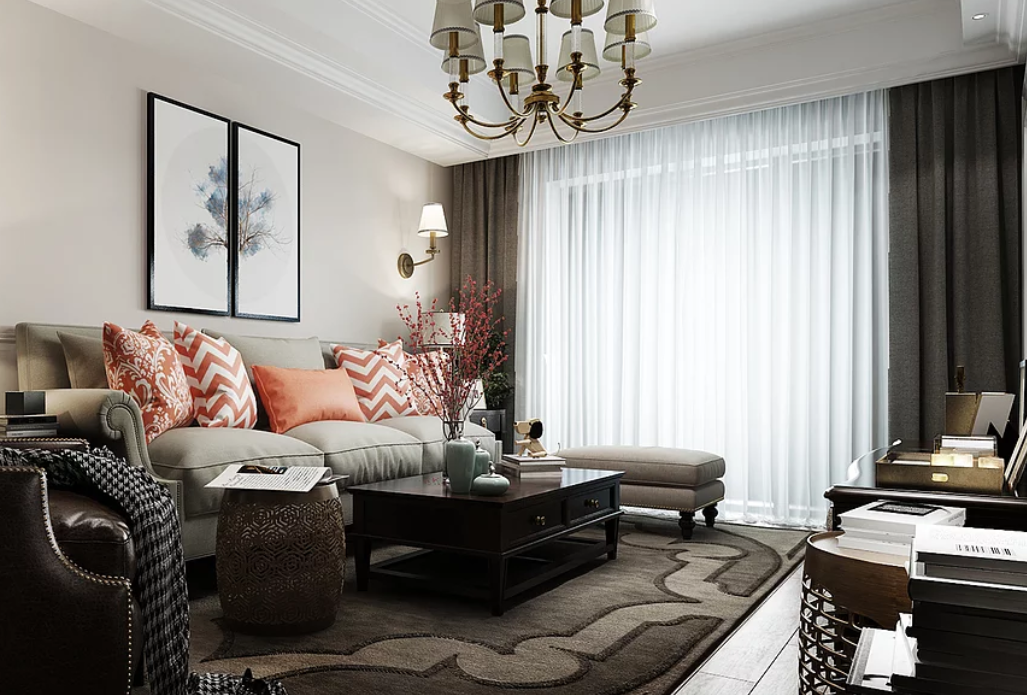
Three working layers
Good residential lighting rarely comes from a single ceiling fixture. It is built from layers that each do a specific job, then balanced for the way a space is used through a long Canadian winter.
The general fill that lets you move through a room safely. Often ceiling-mounted or recessed, and the layer most people over-rely on.
Focused light where work happens: kitchen counters, a reading chair, a desk, the bathroom mirror. Brighter and more directional than ambient.
Lower-output light that shapes mood and draws the eye, such as wall washers, picture lights, or a warm table lamp in the evening.
Color temperature
Color temperature is measured in kelvin (K). Lower numbers read warm and yellow; higher numbers read cool and blue-white. Matching the number to the room is what makes a space feel right.
Living rooms and bedrooms usually settle around 2700–3000K for comfort, while kitchens and home offices often benefit from 3500–4000K for clarity at the counter or desk.
Field guides

How to combine ambient, task, and accent light into a plan that works across a whole home.
Read article →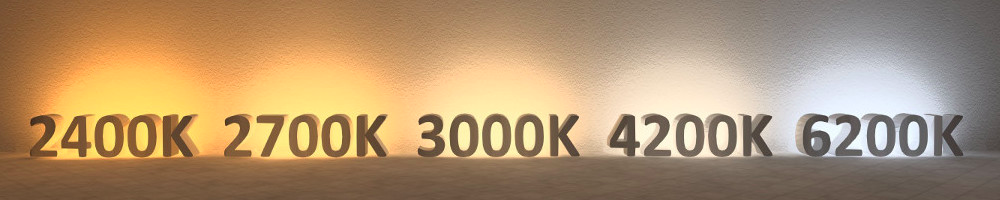
What kelvin numbers mean, how CRI affects color, and which range suits each room.
Read article →
Spacing, heights, and beam angles for kitchens, living rooms, bedrooms, and baths.
Read article →Contact
Questions, corrections, or a reference you think belongs here? Send a note and the editorial team will review it. This site is independent reference material and does not sell or install fixtures.